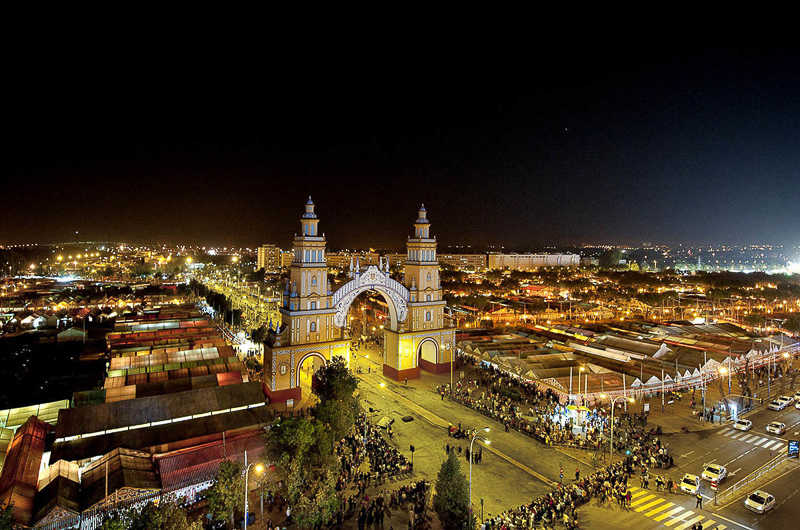
Sevilla has two major annual events: Easter and the Seville La Feria. The April fair usually takes place in that month, which is special to the city, and it ultimately gave the party its name.
By a twist of the calendar, it can divide between April and May or even take place entirely during the month of May.
This week is definitely marked on the calendars of Sevillians. The average citizen has their plans perfectly organized and often has their own Caseta or knows someone who will accommodate them.
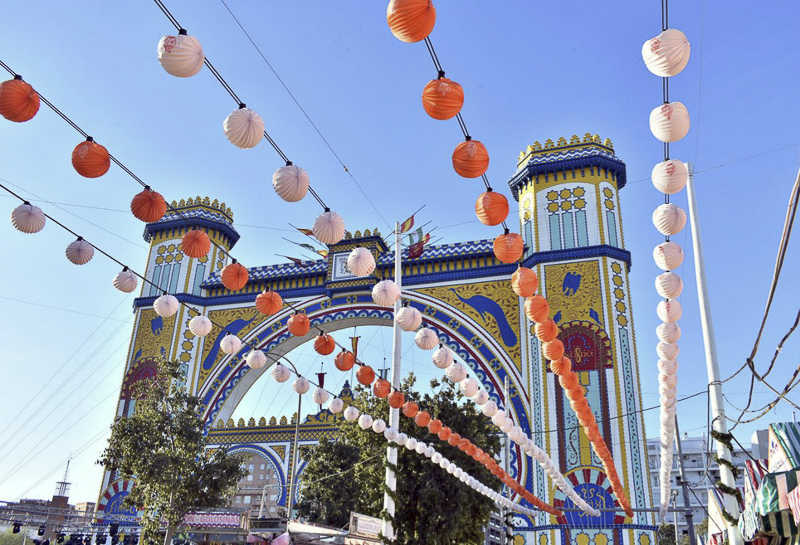
Most likely, you have reserved a day for food gatherings and another for reconnecting with old friends. Everything that happens in Seville this week is focused at the fairgrounds, while the city center remains much quieter, with many establishments closed.
The fair is not just a party for locals; a lot of domestic and international tourists come to enjoy the vibrant atmosphere. During this April week, long after Easter, Seville transforms, immersing itself fully in celebration.
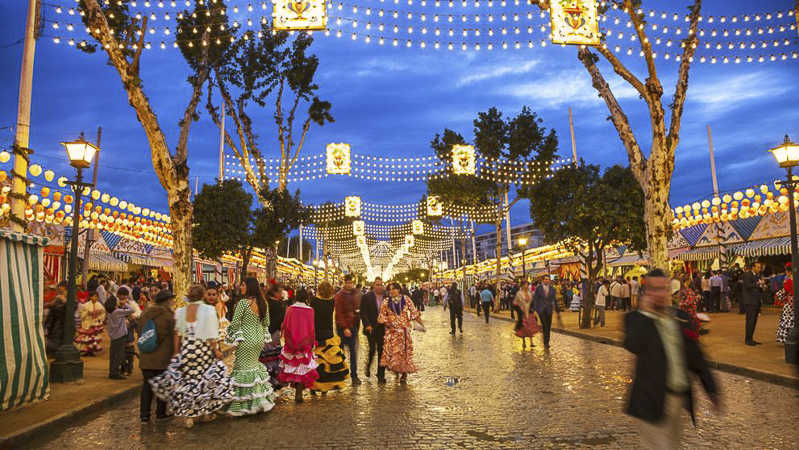
“El Real de la Feria,” as we know the location of the Feria, is physically situated in the Los Remedios neighborhood, close to Triana. It occupies a large area, almost like a city within a city.
The fair boasts two main attractions: the Casetas and the various amusement rides. Casetas (booths) play a vital part in the fairgrounds. It’s not just the structures themselves that draw attention, but also the vibrant atmosphere inside. While most of the Casetas are private and belong to specific associations, there are several that are open to all.
At the entrance, near the front, there is always an allegory about a topic of interest for the city that begs to be observed. You can even find a map showing the houses available for public enjoyment.
Another option is to meet someone and go to their private Caseta, where you can have fun in a more intimate environment. The other big attraction of the fair is the “Calle del Infierno” (Street of Hell), where the amusement rides are located. This street delights visitors young and old alike. You’ll find classic rides like bumper cars and the witch train, as well as modern attractions that bring back childhood memories.
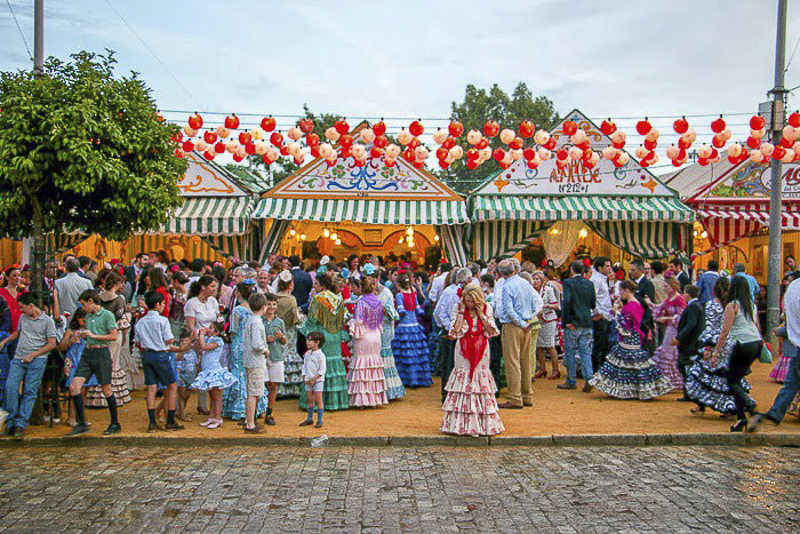
Stalls scattered around the grounds allow visitors to buy sweets, including cotton candy, win prizes, and wrap up the day with delicious chocolate con churros.
What Can We Do at the Feria de Sevilla?
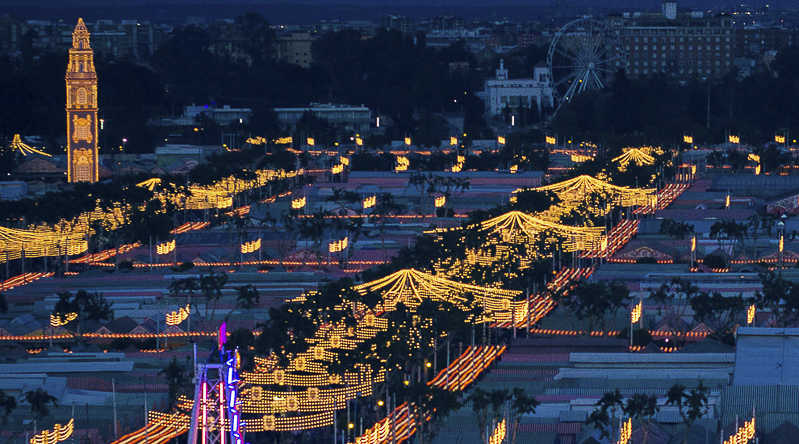
There are some very distinct traditions during this week that have become almost law. One such tradition is the night lighting on the first Monday of the fair, known as “la noche del pescaíto” (the night of fried fish). On this night, various houses serve a delectable fair specialty: fish, Seville style, fried to crispy perfection.
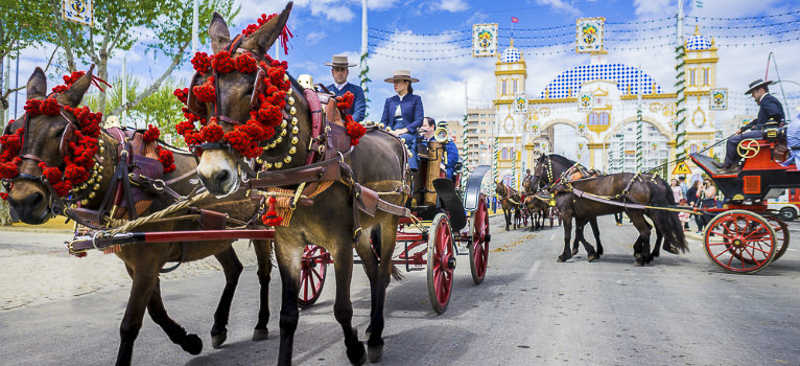
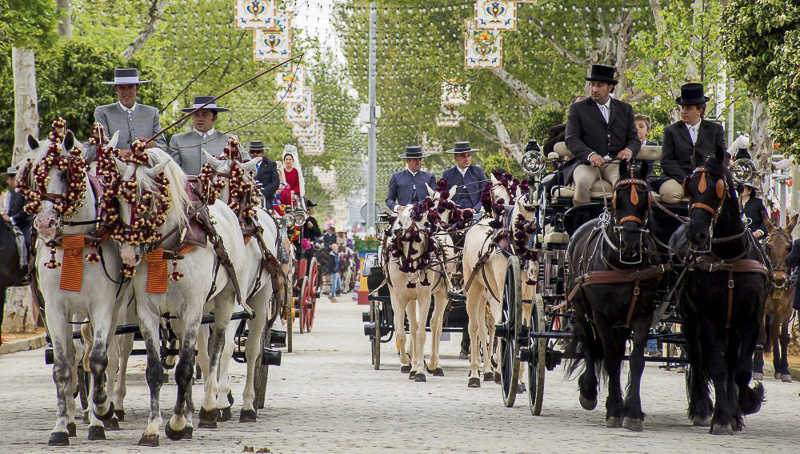
Another interesting activity to see, or participate in if possible, is the horse and carriage rides around the Real, where you can observe various shows. You might even encounter some famous faces who also enjoy the fair.
On the last day of the fair, a fireworks show signals the end of the event, leaving Sevillians excitedly preparing for their big chance next April.
Eating at the Feria de Abril de Sevilla
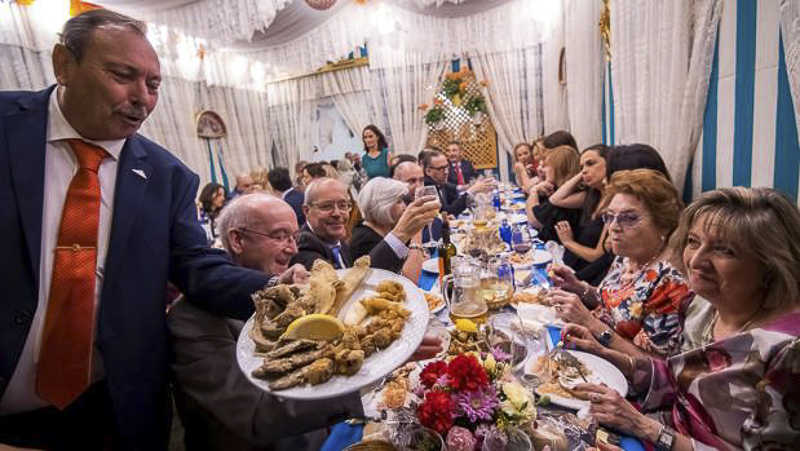
The fair is a place where you can eat a lot, but the quality can vary. Indulge in delicious dishes such as Spanish omelette, ham, fried fish, and seafood at any of the Casetas, all washed down with manzanilla wine that’s in season during the fair. The rebujito, a mix of manzanilla wine and Seven Up, is particularly famous.
Bullfighting at the Feria
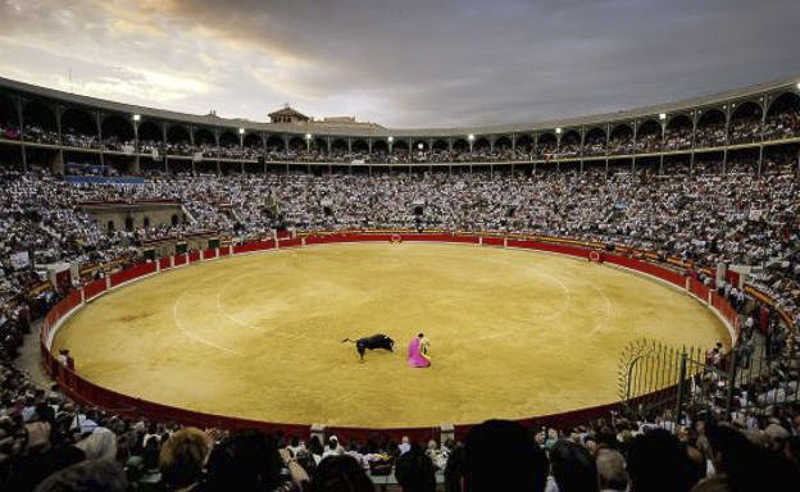
During the bullfighting season, which coincides with the fair, the tradition thrives in one of Spain’s grand bullfighting temples: the Plaza de Toros de Sevilla. If you are interested and your budget allows, it’s highly recommended to see some of the art and skill displayed by the great figures of bullfighting during this festive period. It is definitely one of the best times to witness bulls in Seville.
How to Get to the Seville Fair
The fair is located in a region outside the center of Seville, next to the Los Remedios quarter. If you’re up for it, you can walk from the center. There’s also an element of flamenco in the atmosphere!
The municipal transport company TUSSAM provides special bus services from the Prado of San Sebastián, with stops arranged for the fair. Additionally, line 1 of the Metro, at the estaciones Blas Infante and Parque de los Príncipes, brings you closer to the fairgrounds with a short walk.
The parking lots at El Charco de la Pava also offer shuttle buses for those arriving by private car. All roads lead to the fair, and the signage is excellent.
How to Behave if Invited to a Caseta
If you are invited to a Caseta by a Sevillian, you’re in for a fantastic experience. You will likely be treated to drinks and food, and it would be wise to take care of what you do to ensure you fit in with your hosts.
People from Sevilla are generally welcoming and treat visitors well, but they also value their local customs. The Casetas are private clubs where members pay an annual fee for entry.
Thus, privacy and a controlled environment are important, making it not easy to allow just anyone in. Some Casetas function like bars, where you can order and pay for your items. However, many others operate under a bond system where partners purchase tickets in advance.
In those cases, if you don’t have a bond, you’ll need to ask your host for something. Above all, remember to act with restraint. The Caseta is a place to eat, drink, dance, and socialize with family and friends. Often, groups of singers perform sevillanas to enliven the atmosphere, and people wear their best outfits.
The Perfect Plan to Enjoy Feria de Abril
Enjoying the fair typically starts with a late rise, joining your friends for a meal, then heading off for a horse and carriage ride to the bullfighting, followed by more time at the fair with eating, drinking, and dancing late into the evening, finishing off with hot chocolate or fritters.
This embodies the perfect plan for a true Seville local.
Useful Tips for the Seville Fair
-
If you’re not from Sevilla and don’t have anyone to invite you, you’ll need to settle for the public Casetas (which are less attractive) or simply walk around to absorb the atmosphere, which is still a great experience. There are many places to eat nearby, so you can explore the adjacent neighborhoods to the fair. The farther away from the fair, the quieter it generally is.
-
At the entrance, next to the main gate, there is a small tourist information office that can be very useful for planning your visit.
-
Be cautious with your belongings. As with any crowded area, there is a risk of pickpockets. However, there is a strong police presence, and the venue is safe at all hours.
-
There are many municipal services available: lost children assistance, medical care, public restrooms, and more.
-
It is said that the genuine and most pleasant experience at the fair is during the weekdays. Weekends draw in a lot of tourists and visitors from the province, so many Sevillians prefer to head to the beach if the weather permits.
-
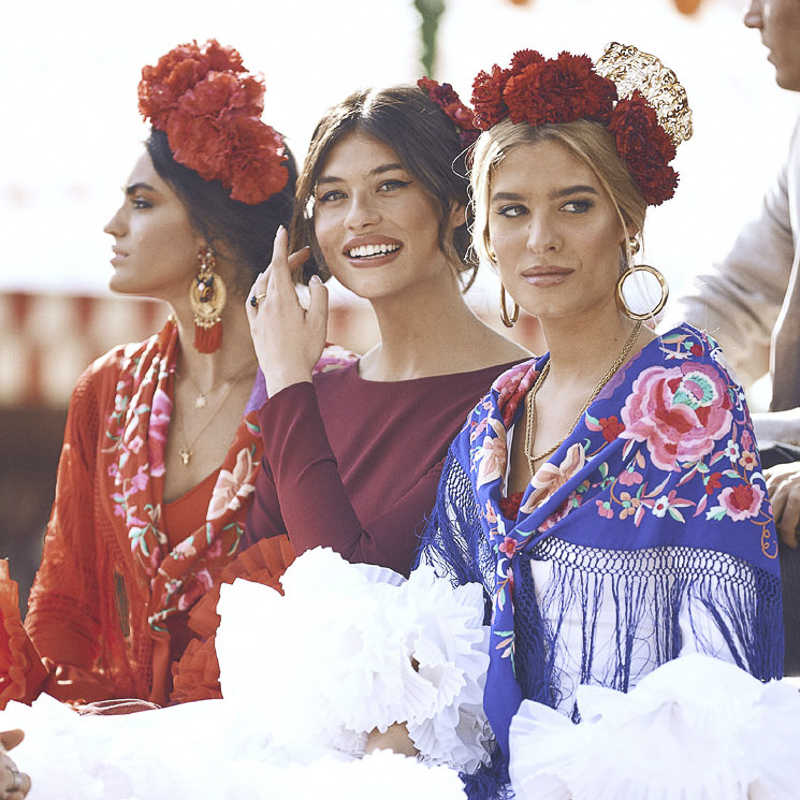
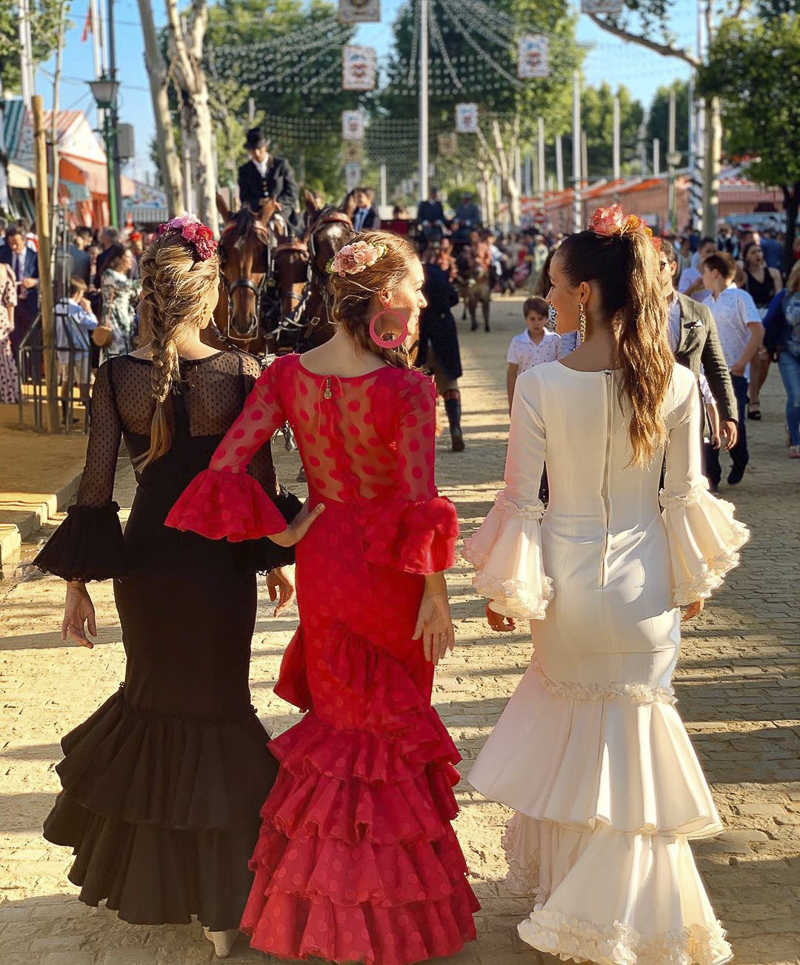
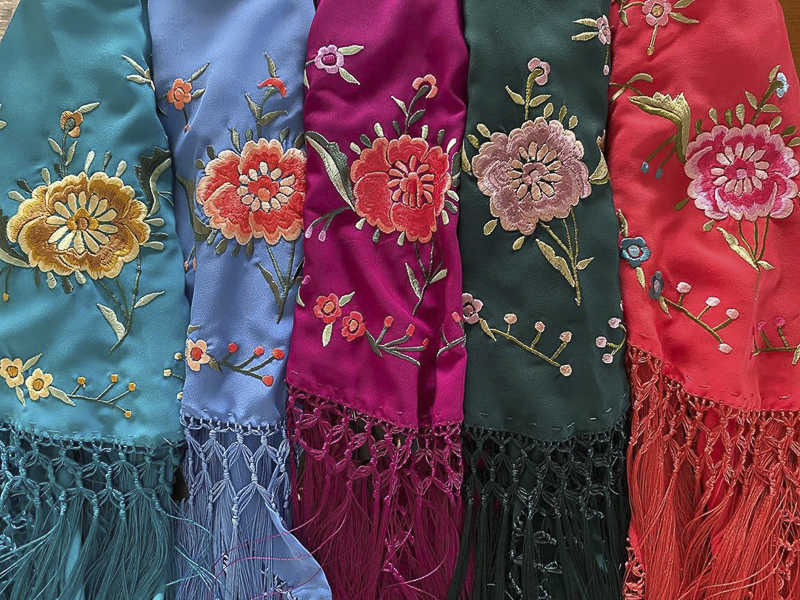
Dress as you wish, as no one will judge you; however, it’s nice to incorporate a bit of flamenco flair, like a flower in your hair or a shawl. Sevillian women take their fair outfits seriously, and it’s beautiful to see the styles showcased in the streets. Flamenco dresses are particularly flattering.
-
To experience the fair with style, consider riding in a horse and carriage. It may be costly, but it’s certainly a unique experience. You can inquire at your hotel or ask around at the fair to find reputable operators.
The Origin of the Seville Fair
At the fair, mornings are dedicated to horseback riding, reminiscing on the festival’s livestock origins. Sevilla is the capital of a vast agricultural region with abundant horses and farms.
Citizens proudly showcase their best horses and carriages as they stroll around, evoking the rural atmosphere that characterized the festival’s nineteenth-century origins.
The history of the Feria de Sevilla is deeply intertwined with the recent history of the city itself, reflecting the collective spirit and its organizational evolution.
Born in 1847 by a Royal Decree from Isabel II, the festival rapidly became a prominent event in April. This “three-day fair” was established in El Prado of San Sebastián through the efforts of councilors José María Ibarra and Narciso Bonaplata, who aimed to revive the ancient fairs of Sevilla dating back to 1254.
Historically, the entrances to the fair have been ephemeral, disappearing after the festivities. In 1847, a large green vegetable arch marked what is considered the first fair entrance. Over the years, there has been one notable exception: the Pasarela, a metal structure that stood from 1896 to 1920. This structure featured gas and electricity lighting and was adorned with flags and pennants.
As time went on, the entrances improved in quality and size until around 1980, when they started to gain a more monumental character, reminiscent of the city’s landmarks. The fair maintained its original location in El Prado until 1973 when it grew significantly, necessitating its move to the reclaimed land by the river in the Los Remedios district, where it remains today.
However, in recent years, overcrowding and space issues have prompted discussions about relocating the fair again due to the increasing number of Casetas, which currently exceeds a thousand.