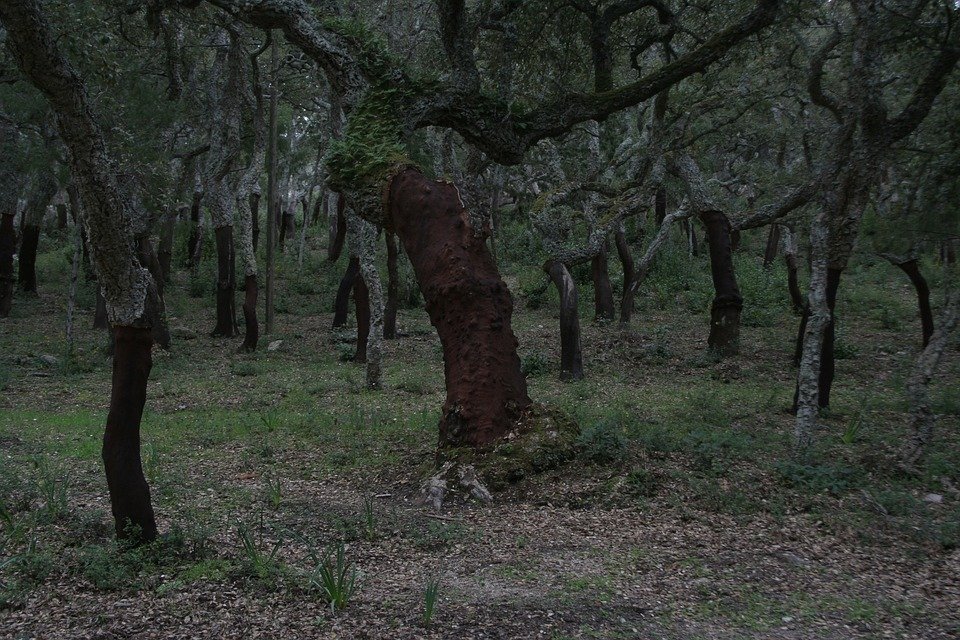
It is not just a matter of decorating our spaces and sowing to sow. The real point that there is such a large variety of typical Seville trees derives from acts of conscience, public health, adaptation to our soils, and spaces around rivers and climate.
Additionally, these trees provide good stockpiling for birds and some beneficial species associated with entomology. Of course, they also have ornamental value and coexist with urban areas, helping us to combat pollution and improve our quality of life.
Importance of Typical Trees of Seville
The identity that has been intermixed with these trees has given many of them the quality of indigenous status. They have taken on a relative importance as a source of belonging for the Sevillian citizenship.
What for many would simply be nature in urban areas, for the inhabitants of this world are visual rest, health purification, better oxygenation, and a healthy balance between buildings and the natural. Clearly, they contribute flowers and fruits that have helped many residents during both good and bad moments of their existence.
Your Care
An exceptional case is the care provided by municipal authorities, private companies, and individuals to the typical trees of Seville, as well as to fruit and flower plantations of other types.
Residents have been taught to care for trees against pests and mites by preparing homemade water-based fungicides with copper sulphate. Moreover, it is essential to apply these treatments correctly and frequently to maintain the health of the trees, which repay such care for their environment.
Such citizen actions reinforce the sense of ownership and identity that Sevillians possess for everything that is part of their community’s feeling, personality, and vital utility. This should be the daily practice of citizenship.
Where They Are
Although we have talked about urban areas—including houses, sidewalks, parks, gardens, squares, government entities, historic heritage sites, entertainment, shopping centers, and tourist points—typical Seville trees stand out most on the banks of the rivers and streams around Seville.
Additionally, these trees can be found on farms and herds, where they are cultivated as a form of identity, care, and profit.
The forests of the Rivera de Huelva and the sections with typical Seville trees in the Guadalquivir are noteworthy. In the latter, many hectares were lost due to the mistakes of past administrations when cutting the Cartuja from the Island of Tercia to Patrocinio and La Triana from Patrocinio to San Juan, leaving reforestation aside.
This precedent urged the inhabitants to reclaim their environment, under penalty of paying high consequences in the immediate future. This is evident in the citizens’ actions toward the care and protection of Sevillian trees.
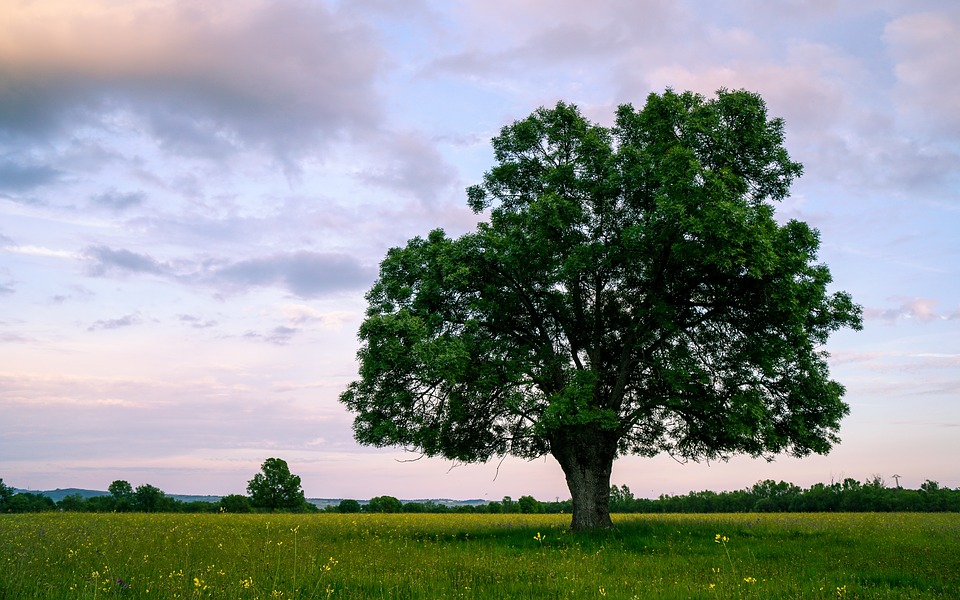 The Typical Trees of Seville Most Recognized
A great variety of typical Seville trees, both local and foreign, contribute to life in these lands. The most appreciated include:
- Acebuche de Casaquemada
- Barberry from La Jayona
- El Berrocal cork oak
- Cork oak of El Rincón
- Throat Cork Oak
- Algarrobo de Las Merras
- Hackberry from La Mina
- Oak of El Lobón
- Chaparro de la Vega
- Oak of the Dogs
- Juniper of the Tohales
- Eucalyptus from Hacienda Torrijos
- Eucalyptus from La Pizana
- Fresno del Molino del Corcho
- Fig tree of the Cortijo de las Monjas
- Lentisco of El Fraile
- Mouse herd mastic
- Mesto de la Loma del Arroz
- Ombú of the Tower of Doña María
- Palmito of the Cortijo Las Cabezas
- Mesto de la Dehesa El Castillo
- Pine of El Lagar
- Pino de la Dehesa de Gatos
- Pine from the La Sandía vein
- Old White Hato Pine
- Pino del Pilón de la Casa del Guarda
- Pino del Tío Chusco
- Quejigo de la Fuemprieta
- Tilo from El Martinete
- Cork oaks from Finca El Alcornocal
- Encinar de Coronado
- Strawberry tree from Finca La Algaidilla
- Melojar from the Real del Robledo vintage