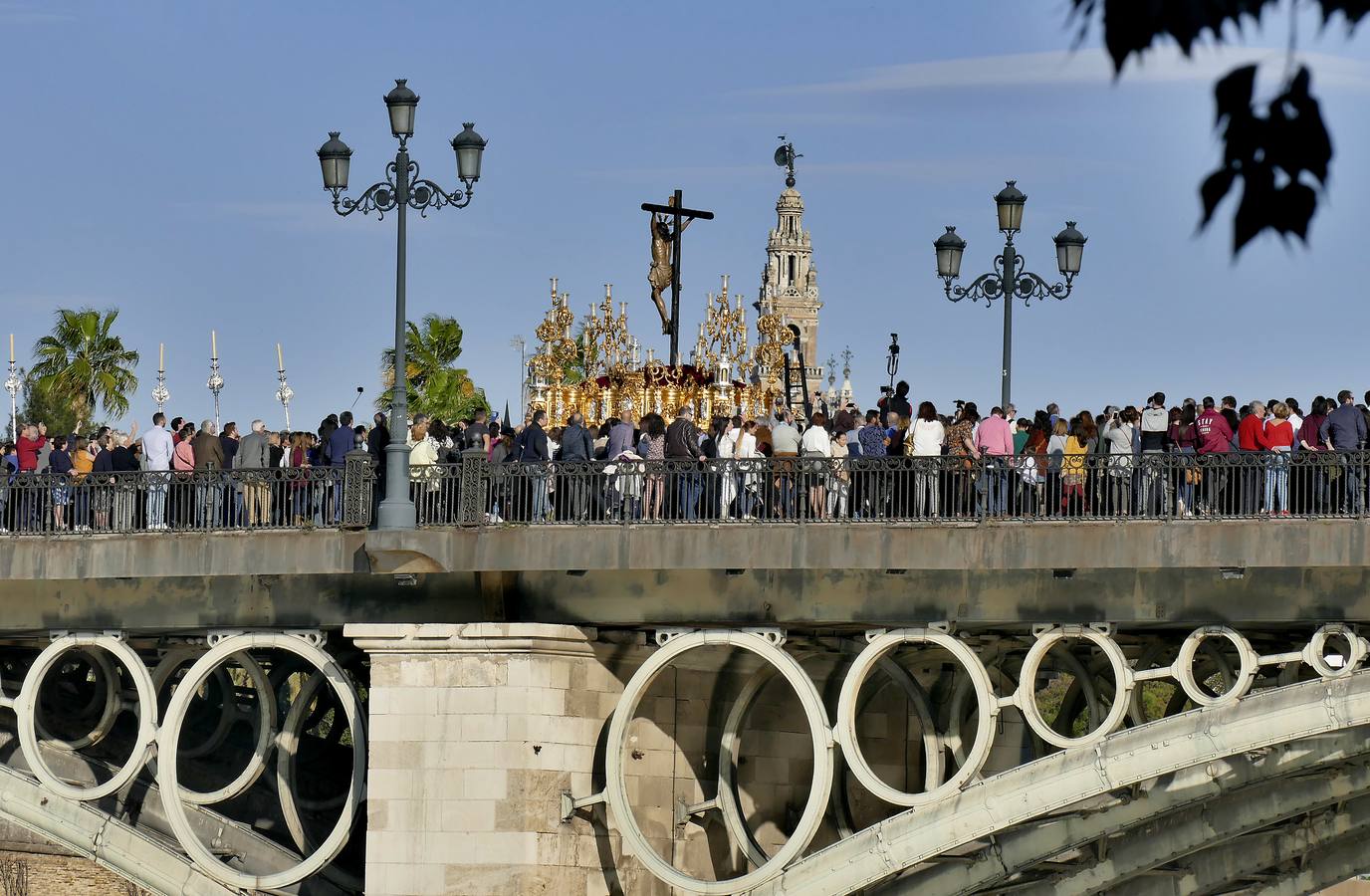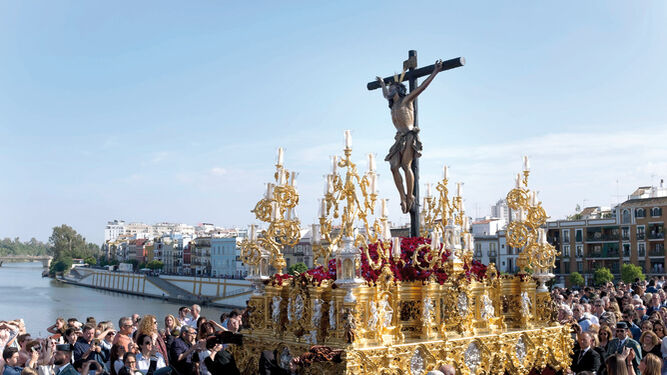
Cachorro
A legend that, for many, has no meaning to the inhabitants of the city represents the whole culture of their region. Just like in all populations, legends will never cease to be heard—some certain, others merely fables crafted by its inhabitants.
The difference between the legend of El Cachorro of Seville and other legends is that it is rooted in facts verified through various investigations. These confirmed that the events took place as recounted by the settlers around 1600.
As home to the legend “El Cachorro de Sevilla”
A man began to notice the regular visits of a gypsy in his neighborhood, Triana. He questioned himself about the real reason behind these visits. Over time, he learned that the man was nicknamed “El Cachorro.”
This man’s jealousy regarding the gypsy’s visits grew so intense that he began to suspect she was only coming to Triana to be with the woman he loved.
Driven by dangerous jealousy, he decided to wait in hiding, knowing that the gypsy would visit the Sale Sailing**.** When she arrived, innocent of what was to come, she went to draw water from the well. Tragically, he attacked her, inflicting seven stab wounds that ultimately led to her death.
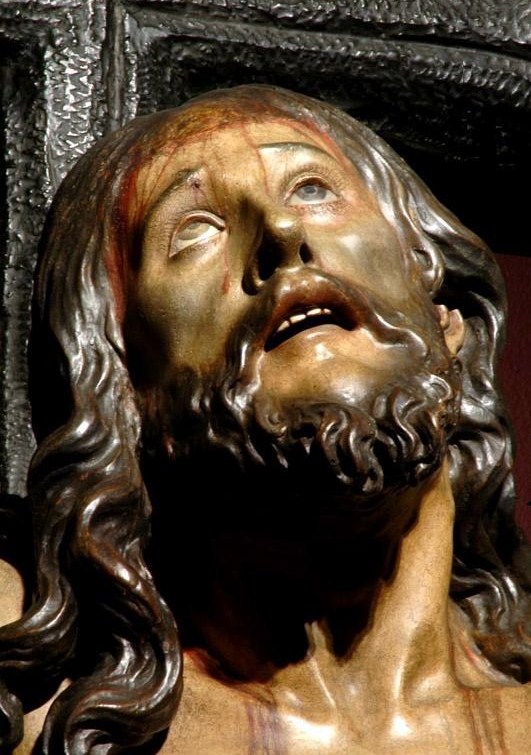
It is said that a sculptor was present at the scene and bore witness to the gypsy’s agony. Struck by the expression of suffering on the face of the Cachorro, he decided to sketch it while working on a sculpture that was already in progress, as the image remained etched in his mind.
Subsequent investigations revealed that the gypsy was indeed visiting the jealous man’s wife, who, in reality, was his half-sister. In those times, being born out of wedlock was considered a disgrace. The man wanted to continue visiting her while keeping their relationship a secret, which led to his being accused of adultery.
Sculpture of the legend of El Cachorro in Seville
The image that the sculptor carved became known as the Christ of the Expiration, capturing the gypsy’s face in his moment of agony. The sculptor later claimed that his inspiration for the sculpture came entirely from the gypsy’s expression. Consequently, the villagers began referring to the Christ of the Expiration as el Cachorro.
Other voices tell the story of El Cachorro of Seville
Some residents with a bit more information on the events claim that everything began at the end of the SIXTEENTH century in the Sevillian quarter of Triana. The villagers discovered a figure of the Virgin hidden in a well, leading them to believe that it was an attempt to preserve both their culture and beliefs during the Arab invasion.
This image quickly became the object of devotion for many inhabitants. They collected alms to form a brotherhood around the miraculously found image. Shortly after, they merged with another guild and adopted the name Brotherhood of the Holy Expiration of Our Lord Jesus Christ and Most Holy Mary of the Patrocinio.
According to those who share this version of the story, the Cachorro was a man of about thirty years old, known for his good looks. He stood out wherever he went due to his musical talents, especially his skillful guitar playing and beautiful “cante jondo” (flamenco singing).
Although he had not yet known love, many gypsies aspired to win his affection. He remained somewhat isolated from social circles. You would often find him keeping his distance from the revelry of the taverns, always serious and introspective.
As time went on, the Cachorro’s popularity grew, along with rumors about him and his peculiar behavior. Some claimed he had a forbidden love across the river in the upscale neighborhoods. It became commonplace to see him, and if he disappeared for a few days, the villagers knew he was visiting places where gypsies were not typically found.
Rumors of his love affair with a well-to-do young woman circulated, but her family did not accept their relationship. The gypsy remained serious, possibly searching for a way to integrate into that family.
Eventually, this man became a subject of gossip. It was noted that he sometimes traveled on foot and at other times on horseback, always well-dressed. Residents remarked that something had to be unusual, as gypsies rarely spoke of their matters openly.
In the aftermath of the tragic attack on the Cachorro, the reality of the stabbing was portrayed by Ruiz Guijón, who captured the agony of the gypsy at the moment of his death.
There is no evidence that any of these stories are true. We invite you to visit the image of the Cachorro and decide for yourself which story might belong to its expression.