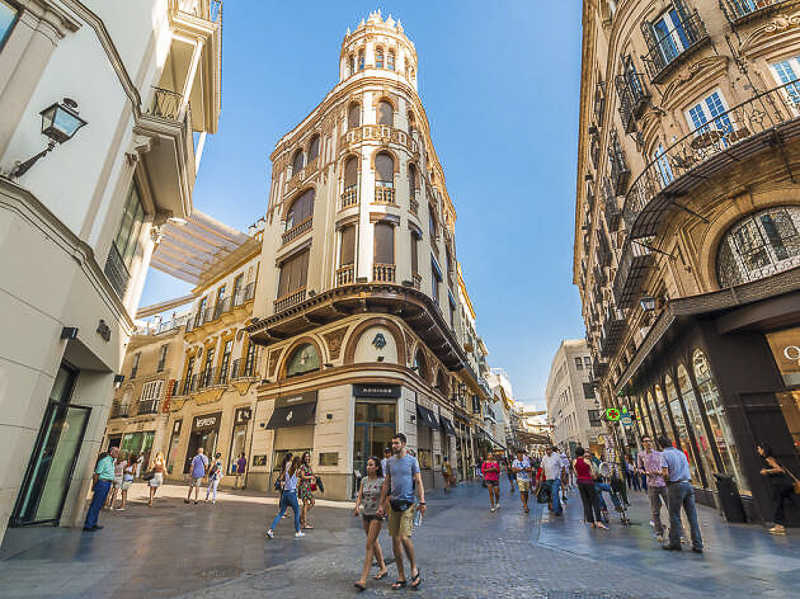
Seville is a city of great history, with origins that date back to unknown times. It is said that the history of Seville can be traced back 3,000 years. Throughout its existence, the city has been influenced by the Romans, Visigoths, Muslims, and Christians, and has served as a confluence of land and sea routes. The Romans called it Hispalis, while the Arabs referred to it as Islibiya. This rich heritage contributes to the beauty of the city.
The discovery of America established Seville as the primary port for voyages to the New World, resulting in an important mercantile economy.
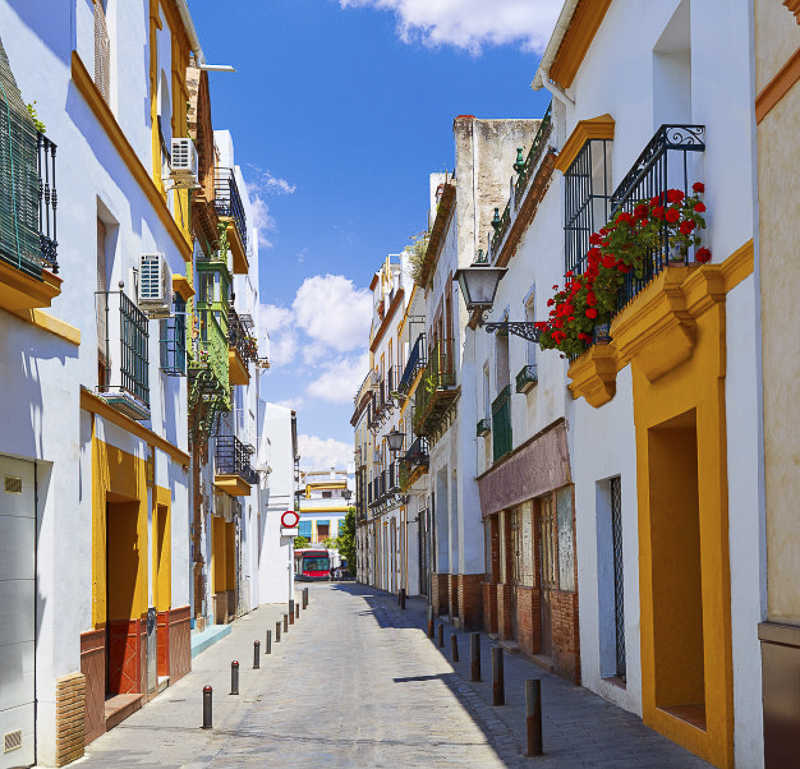
Origins of the History of Seville
The origins of the city can be traced back to the Tartessian people, named after the River Guadalquivir (Tarssis). Archaeological findings suggest settlements from the eighth century B.C. One notable discovery is the treasure known as “El Carambolo,” which contains gold pieces possibly from a necklace. This ancient town exhibited much splendor, but the reasons for its disappearance remain a mystery.
During Roman times, the city enjoyed a period of great prosperity. After the defeat of the Carthaginians by Scipio Africanus in 206 A.C., Roma claimed Seville, renaming it Híspalis, a significant commercial capital. The area became a residential colony with Italica on its outskirts, the birthplace of two notable emperors, Trajan and Hadrian. In 426, Seville fell to the Vandals, followed by various invasions until the Visigoths arrived. Leovigildo and Recaredo were among the prominent kings during this dark age, while the city of San Isidoro, founded in 560, stood out culturally.
Arrival of Muslims to the History of Seville
In 712, Muza conquered Seville, marking the beginning of a five-century Muslim period. The city was renamed Isbiliya, which eventually evolved into its current name. Although it was subject to the Caliphate of Córdoba, Sevilla emerged as the most important city in al-Andalus, experiencing a resurgence of cultural wealth.
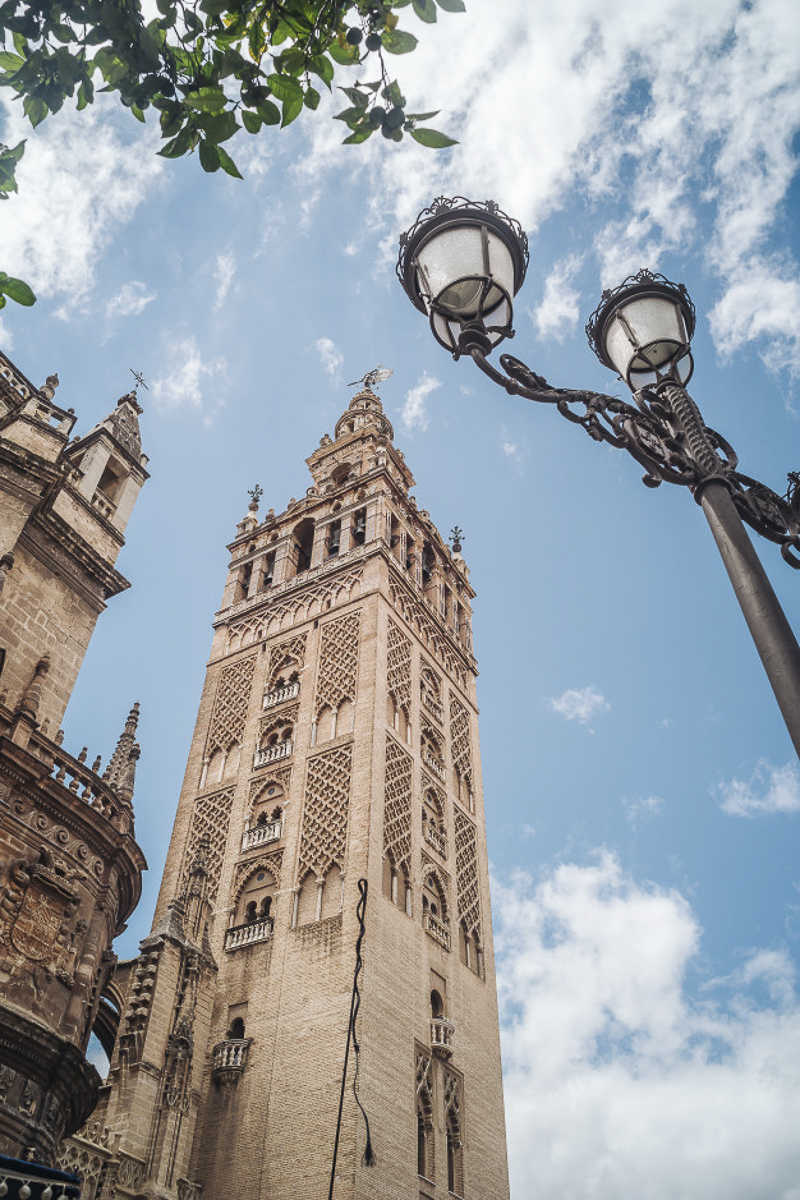
The Almoravids and Almohads later influenced the city, leading to the construction of iconic monuments such as the Tower of Gold, the Alcazar, and the Giralda. In 1248, after a 15-month siege, King Ferdinand III captured Seville when the Muslims surrendered. Shortly after, he expelled the Muslim populace, dividing the land among his conquerors. The grand mosque was demolished to make way for the cathedral. King Fernando III, known as “The Saint,” settled in the city until his death, and was succeeded by his son Alfonso X the Wise, who is associated with the city’s motto, NO & DO.
After the conquest, a significant Jewish settlement arose, although they faced persecution and eventual expulsion or forced conversion. The neighborhood of Santa Cruz became their primary residence. Other monarchs, including Pedro I, also chose to frequently reside in Seville, which was a pivotal location during the final years of the Reconquista.
Modern Age and the Discovery of America in the History of Sevilla
Following the discovery of America, Columbus arrived in Seville, announcing the findings. From there, new routes were established to explore the New World. In the sixteenth century, Seville was the main port for trade with England, Italy, and Flanders, monopolizing trade links with America and establishing the House of Trade (Archive of the Indies). This brought significant growth to Seville, transforming it into Spain’s largest city.
At this time, the city attracted a diverse population from various social classes and nationalities, particularly merchants. It was during this period that notable palatial structures like the Hospital of the Five Wounds, now housing the Andalusian Parliament, were built. The Cathedral was also completed, and cultural luminaries such as Lope de Vega, Cervantes, and Garcilaso passed through the city, which also witnessed the birth of great figures like Velazquez, Murillo, and Zurbarán.
Heyday in the History of Sevilla
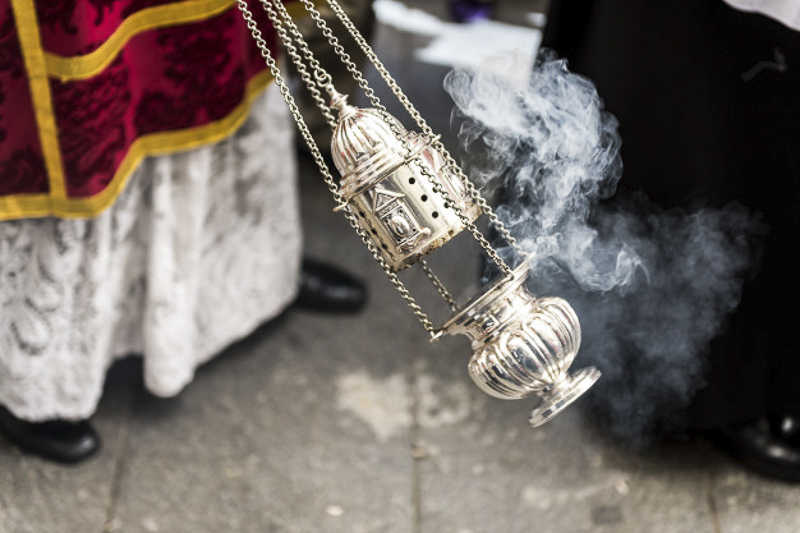
The luxurious era following the discovery of America ended with the economic crisis that affected Europe, leading to the relocation of the House of Hiring to Cadiz. As a result, trade shifted to that city. During these times, Seville was nicknamed the “City of Convents,” once home to 73 monasteries of various orders. The famous Holy Week, or Semana Santa, also originated in this century.
In the eighteenth century, the tobacco factory and the Plaza de Toros de la Maestranza were established. The railroad arrived in Seville during the nineteenth century. The twentieth century began with preparations for the World Expo of 1929, during which the Plaza of Spain and Maria Luisa Park were developed as vital city landmarks. Infrastructure modernizations included a tram network, river channeling, and the construction of the airport.
History of Sevilla in the Contemporary Age
After the unfortunate hiatus of the civil war, the city gradually recovered, expanding into the suburbs by the 1960s. A significant milestone was reached in 1992 during the Universal Exposition, which spurred a series of improvements, including new bridges over the river and the establishment of high-speed rail links between Madrid and Seville.
As Seville looks ahead to the twenty-first century with optimism, it remains a city with immense potential, with tourism preserving its status as one of its most valuable assets, thanks to its rich heritage. The story of Seville is indeed prolific and extensive, reflective of a city that truly deserves recognition.