When we lose a loved one, we feel like our world is falling apart. After the death of this person, we look for ways to honor their memory. Pendants for ashes are a meaningful tribute to our deceased loved ones.
The cremation of bodies in the cemeteries of Seville has become a frequent act when saying goodbye. Despite the popularity of cremation, traditional cemeteries remain a vital option for farewells. It is essential to find the right place to lay our loved ones to rest, and Seville offers some of the best cemeteries.
What are the cemeteries of Seville?
San Fernando Cemetery
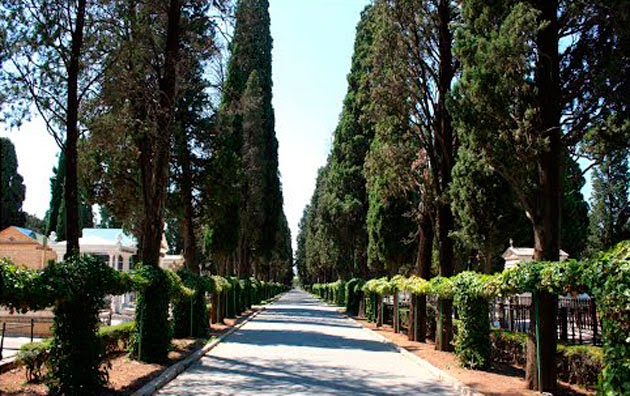
This cemetery is often referred to as the Open Air Museum of Seville. Located to the north of the city, it features funerary monuments that give it a museum-like beauty.
Inaugurated in 1853, San Fernando Cemetery was created to meet the needs of the population, consolidating the burial practices in one location. It boasts several main roads where you can view tombs, mausoleums, and various monuments, all surrounded by beautiful cypress trees.
Saint George Cemetery or English Cemetery
Saint George Cemetery is one of the city’s best-kept secrets. Nestled next to the San Jerónimo Monastery, it contrasts sharply with San Fernando Cemetery.
Inaugurated in 1855, this cemetery was established to bury English sailors who died in Andalusia. The cemetery is home to many who served the United Kingdom as sailors. Notably, San Jorge Cemetery does not belong to the municipality; it is maintained by the San Jorge Association.
Pantheon of Illustrious Sevillians
Hidden beneath the Church of the Annunciation, the Pantheon of Illustrious Sevillians is another of Seville’s secrets. Access is through the patio of the nearby Faculty of Fine Arts.
Some of the most notable Sevillians, from significant writers to humanists, are laid to rest in this pantheon. This area was established by Deán López Cepero and university administrators who sought to house the remains and funerary urns of important figures following the damage inflicted by French troops on several temples.
Seville Muslim Cemetery
The Seville Muslim Cemetery was built during the Civil War out of necessity to bury the Moroccan population. However, it wasn’t used as initially planned, as the War complicated the movement of bodies.
This cemetery features an independent access door and combines eclectic styles with traditional Islamic elements. Its decoration is notable for intricate lacework. The cemetery continues the tradition of Islamic ceramics, as indicated by the “Islamic Cemetery” inscription.
Seville Jewish Cemetery
Within the expansive grounds of the largely Catholic San Fernando Cemetery, there are several unique areas. By entering from the right, you can cross a wall into the “dissidents cemetery,” a fascinating spot to explore.
The Jewish Cemetery, or Seville Hebrew Cemetery, occupies a small plot at the foot of this dissident cemetery.
Notably, this cemetery does not showcase flowers, as Judaism prohibits images and floral displays. Instead, the tombstones are marked only by the renowned Star of David. The graves are meticulously arranged, all facing south in the direction of Jerusalem.