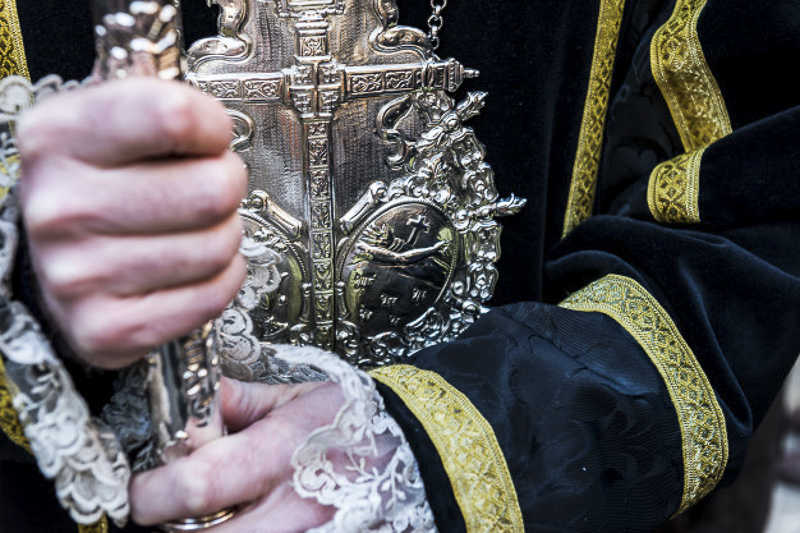
If you are thinking of visiting Sevilla and do not know exactly what month to go, consider planning your trip during Holy Week in Seville. Believers and non-believers alike have gathered in Seville for many years to celebrate the passion and death of Christ. This tradition is deeply significant for the people of Andalusia.
For many, these days are a time to disconnect, relax, and visit relatives who live far away. However, if you have the opportunity to experience Holy Week in Seville, it will be an unforgettable occasion.
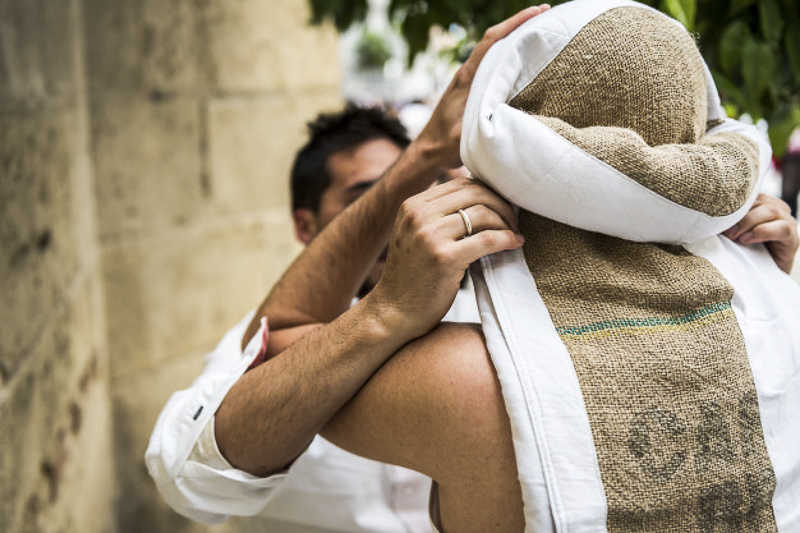
What to See in Holy Week in Seville
From Palm Sunday to Easter Sunday, processions emerge from different parts of the city. Thousands of residents and visitors come together to enjoy these days filled with deep emotion and joy.
Holy Week in Seville does not have a fixed date but usually takes place in March or April.
Brotherhoods
The term “brotherhoods” refers to associations of lay men and women who come together to commemorate the Passion of Christ. In Seville, these brotherhoods are integral to the Easter celebrations, striving to engage the community in religious traditions that were once limited to the church.
While Spain is home to many brotherhoods, Sevilla is known for having the largest number. These groups are responsible for acts of piety and charity, mirroring the suffering of Christ through penitential acts. There are two types of brotherhoods, both of which contemplate the figures of Jesus’ suffering during processions, allowing the faithful to take to the streets in a spirit of forgiveness.
Processions
Residents and visitors march solemnly through the city streets. Each processional route culminates at the Cathedral of St. Mary of the See. Brotherhoods carry steps representing various scenes of Christ’s Passion, Death, and Resurrection.
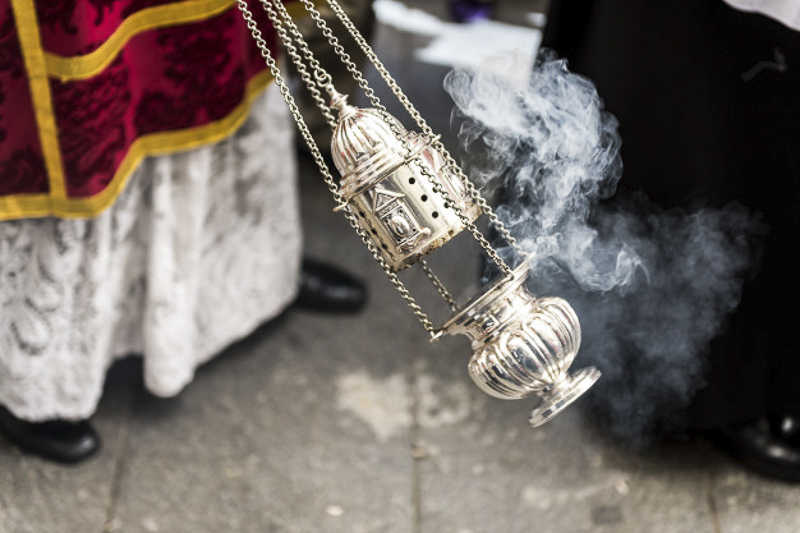
Saetas
As the processions pass, it is common to hear people singing traditional songs called saetas from their balconies. These songs honor Jesus or Mary.
Nazarenes and Penitents
Nazarenes draw attention with their distinctive hoods during processions. While they may resemble members of the Ku Klux Klan, they have no connection to them. Instead, they cover their faces as an act of penance.
Nazarenes carry logos or banners indicating their fraternity, often holding candles or crosses. Just behind the Nazarenes are platforms called “pasos,” which showcase various religious figures.
The Famous Bands of Holy Week in Seville
Holy Week is a vibrant celebration filled with scents and sounds that define the city. The harmonious melodies of drums, trumpets, and other instruments accompany the brotherhoods as they make their way to the cathedral.
Different bands perform each day during Holy Week, with some notable ones including the Youth Band Centuria Macarena, the Band of the Red Cross, and the Band Santa Ana de Dos Hermanas, among others.
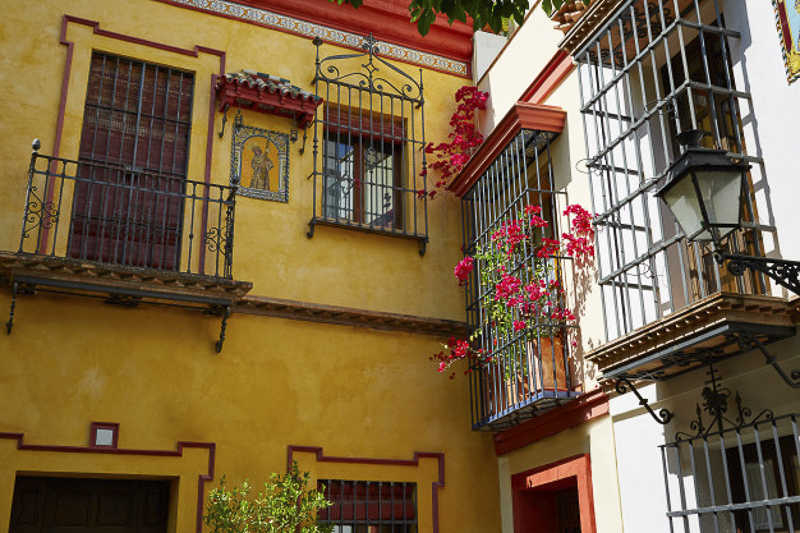
The Madrugá
The Madrugá marks a beautiful tradition at the start of Holy Week, when brotherhoods process through the streets during the early hours of dawn.
This practice arose after reforms limited nighttime processions, leading to what is now known as “Madrugá.” Brotherhoods set out early in the morning, showcasing the most charismatic images of Holy Week. Despite the warm days typical of Seville, the nights can be chilly, so dress accordingly.
What Happens Every Day During Holy Week in Seville?
Each day, brotherhoods emerge with their processional pasos, traversing the narrow streets toward the Cathedral of Seville. This period presents one of Spain’s most significant religious spectacles, with unique experiences offered each day.
Starting with Palm Sunday, where it’s common to visit the temples where brotherhoods exit, the first processions typically begin to “walk” at dusk. Participants include Jesus Stripped, La Paz, La Santa Cena, La Hiniesta, San Roque, La Estrella (in Triana’s Quarter), and El Amor.
On Easter Monday, eight brotherhoods participate, including El Beso de Judas, Santa Genoveva, and San Gonzalo. Easter Tuesday features brotherhoods such as Dolores, San Esteban, and La Bofetá. On Holy Wednesday, one can observe La Sed, El Buen Fin, and others.
During Holy Thursday, brotherhoods such as Los Negritos and La Pasión take part, while the celebrated Madrugá features brotherhoods leaving as early as 5:00 am. Holy Friday sees the most brotherhoods, making it a highlight of the week, including El Silencio and La Macarena. Holy Saturday concludes with four brotherhoods, including Los Servitas. Finally, Easter Sunday ends the week with the Brotherhood of El Resucitado.

Tips for Visiting Holy Week in Seville
As with many celebrations, knowing the schedule and details of each day’s activities is vital. Plan which brotherhoods you wish to see—attending them all can be exhausting.
Keep in mind that the population doubles during Holy Week, as many Spaniards join in the religious observances.
Start organizing your itinerary, and make sure to take a map indicating the procession routes. The crowds can be overwhelming, so it’s advisable to remain calm and seek less crowded areas to enjoy the ceremonies.
If you’re planning to stay in the city, you’ll find a variety of accommodations. Some hotels are conveniently located near prime viewing areas for the processions. Notable spots for watching include Metrosol Parasol, La Cuesta del Bacalao, and Alfalfa.
You won’t need to worry about food or drink; shops and bars remain open throughout the processions. When attending, maintain a respectful silence to fully appreciate the beautiful music and songs led by “el capataz,” the person coordinating the bearers of the pasos. Major streets often have chairs available for viewing, but arrive early to secure a good spot, as not all are reserved.